
Banned and Confused: PUBG's Permanent Ban List Shenanigans
PUBG banned players list highlights permanent bans and masked nicknames, raising anti-cheat awareness and urging Steam Guard protection.
In what has become a familiar ritual for the community, PUBG: BATTLEGROUNDS has once again dropped its banned players list for a week-long investigation window. The anti-cheat team uses these reports to raise awareness about the abuse of illegal software and the consequences of misconduct. For ordinary players, the list is equal parts public service announcement and weekly theater.
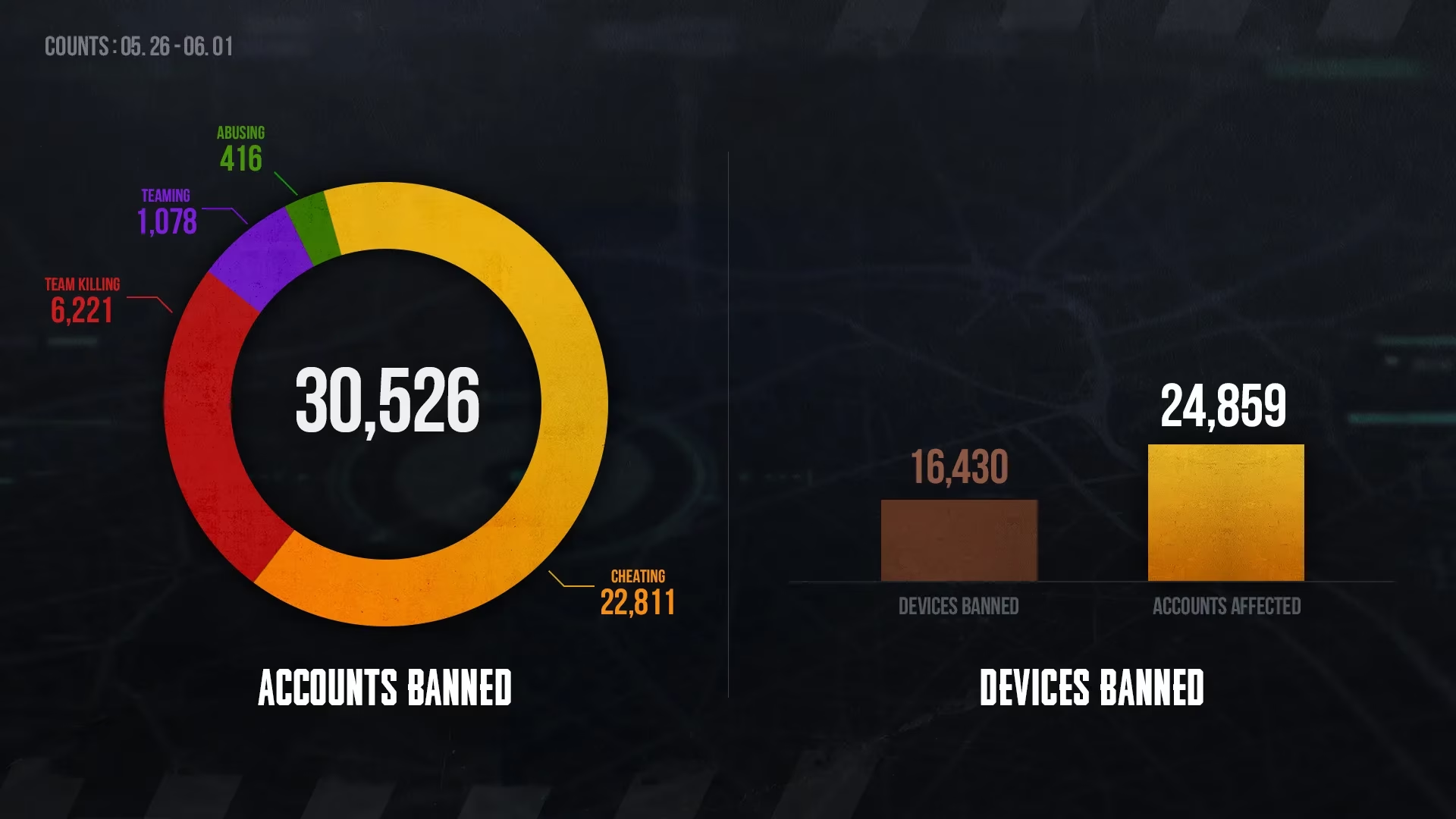
The full list of permanently banned accounts was published separately, and anyone brave enough to scroll through it would find a curious pattern: every in-game nickname has its first three letters replaced with '*'. It is not a keyboard malfunction. It is a privacy decision that keeps public reporting from turning into outright public shaming. Still, some players cannot help but treat the asterisk-filled list like a criminal lineup where everyone is wearing the same balaclava.
Why the Ban Hammer Keeps Swinging 🔨
Permanent bans are not handed out like free chicken dinners. They are the final stop for accounts caught using illegal software or engaging in other violations of the rules of conduct. Once an account is permanently banned, the player does not get a gentle warning or a temporary vacation. The account becomes about as useful as a frying pan in a sniper duel.
Would anyone with a rare skin collection and years of progress really risk it all for a few artificial wallhack highlights? Apparently, the answer is yes, because the banned list never seems to shrink. But every name with three covered letters represents one less suspect ruining a hot drop.
The Asterisk Effect 🔍
The decision to mask the first three letters of each nickname may seem odd, but it serves a purpose. It lets the community see that enforcement is real without publishing full identities. Think of it as a witness protection program for the anti-cheat world. Players can wonder whether the '*mellyPenguin' on the list is the same suspicious player from last Tuesday, but they cannot be entirely sure.
This also prevents witch hunts and false accusations, which is a good thing. No one wants to be the player whose name is dragged through a subreddit because they happened to land three lucky headshots in a row.
Could an Innocent Account Get Caught? 🔐
This is the part where ordinary players should pay attention. The anti-cheat team specifically asks players to secure their valuable accounts with Steam Guard Mobile Authenticator. Why? Because an unprotected account can be abused by someone else, and if that someone else decides to run illegal software, the ban lands on the account owner, not just the trespasser.
Steam Guard Mobile Authenticator is not some mystical gamer talisman. It is a practical security step that ties account changes and logins to a mobile device. Setting it up takes only a few minutes, and it is far less painful than trying to explain to support that 'it was not me, it was my cousin'.
How Players Can Help 🎮
The anti-cheat loop works best when players do their part. The recommended process is simple:
-
Report illegal software and misconduct through the in-game report system first.
-
If additional help is needed, contact PUBG Support.
-
Enable Steam Guard Mobile Authenticator to protect the account from misuse.
| Action | Why It Matters |
|---|---|
| In-game report | Gives the anti-cheat system an immediate signal to investigate |
| PUBG Support contact | Provides extra assistance when a report needs more context |
| Steam Guard Mobile Authenticator | Prevents unauthorized use that could lead to a ban |
Fair Play Is a Team Sport
The anti-cheat team says it highly values player interest and opinions that contribute to PUBG's anti-cheat efforts. That may sound like polite corporate language, but it translates into something practical. Every report, every secured account, and every honest match adds another layer to the wall against cheaters.
No one expects a battle royale to be a monastery. Tempers flare, pan shots are missed, bridges are camped, and the zone can be crueler than any opponent. But there is a clear line between getting outplayed and getting cheated. The weekly ban list is a reminder that the line still exists and that PUBG is actively erasing the people who cross it.
So the next time someone insists they were 'falsely banned' after sprinting through walls and lasering squads from three hundred meters, an ordinary player can simply smile and point to the asterisks. If the anti-cheat team keeps swinging the ban hammer this consistently, the only thing those players will be winning is a permanent seat on the sidelines.