
Inside PUBG’s February 2026 Ban Wave: How the Anti-Cheat Team Takes Action
PUBG: BATTLEGROUNDS anti-cheat team issues a major permanent ban wave, reinforcing fair gameplay and deterring cheaters.
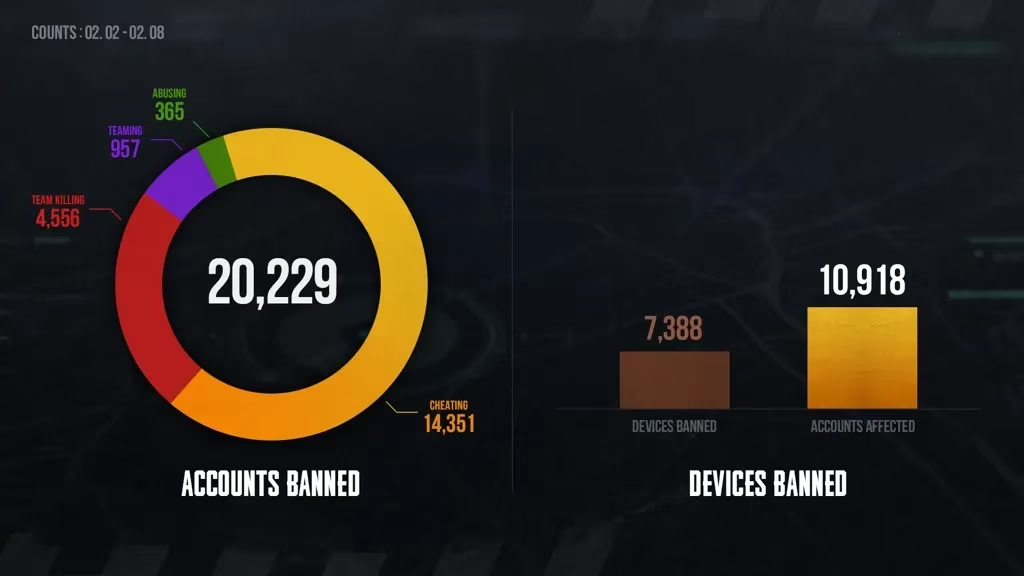
The fight against cheaters in PUBG: BATTLEGROUNDS never takes a break. Just last week, from February 2nd to February 8th, 2026, PUBG’s anti-cheat team unleashed another massive ban wave, permanently removing a wave of accounts caught using illegal software. Players logging in this week might have noticed a slightly fairer playing field, and that’s no coincidence. The latest banned players list has been published, and it’s a stark reminder that misconduct has real consequences.
Have you ever been on the verge of winning a chicken dinner, only to get headshot by someone tracking you through walls? It’s the kind of frustration that can make even the most dedicated players question why they keep coming back. That’s exactly why PUBG Corp. continues to invest heavily in anti-cheat technologies and weekly reviews. This transparency—sharing the banned list every week—isn’t just for show. It builds trust and dares would-be cheaters to think twice.
What Does the Permanent Ban List Look Like?
The list shared this week follows a familiar format. Each in-game nickname of a permanently banned account is displayed with its first three characters replaced by asterisks (e.g., ***PlayerName). This is a privacy measure, but it also sends a clear signal: if you see a name you recognize, it might be gone for good. While the exact number of bans isn’t always disclosed in the public post, historical trends suggest that each weekly wave catches anywhere from tens of thousands to over 100,000 accounts. The sheer volume shows the scale of the problem—and the dedication required to combat it.
But permanent bans aren’t handed out lightly. They result from rigorous investigation periods, like the one from February 2–8, 2026. Accounts flagged for using aimbots, ESP hacks, recoil scripts, or other prohibited third-party programs are reviewed before the hammer falls. PUBG's anti-cheat system, which has evolved significantly since the game’s early access days, now uses a combination of behavior analysis, machine learning, and player reports to identify suspicious activity.
How Can You Help Keep the Battlegrounds Fair?
The battle against cheaters isn’t just the developer’s job—it’s a community effort. Here’s what every player should do:
🕹️ Report in-game: The fastest way to flag a suspicious player is through the in-game report system. After you die or spectate, use the report button to log the incident. These reports feed directly into the review queue.
🛡️ Contact Support when necessary: If you encounter a serious exploit or believe a report wasn’t acted upon, reach out to PUBG Support through the official website. Screenshots or video evidence can make a huge difference.
🔐 Secure your account: One of the most overlooked defenses is account security. PUBG reminds players to sign up for Steam Guard Mobile Authenticator. Why? Because compromised accounts are often used by cheaters to bypass hardware bans and continue ruining games. If your account gets hijacked and used for cheating, it could be permanently banned before you even realize what happened. By enabling two-factor authentication, you not only protect your inventory but also prevent your account from becoming a tool for misconduct. Setting it up is straightforward: from the Steam app, go to your account settings and follow the steps for Steam Guard.
What Happens After a Ban Wave?
After a wave like the one in early February, the impact can be felt almost immediately. Matchmaking pools get a little cleaner, and high-ranked lobbies lose some of their most notorious offenders. But the cat-and-mouse game continues. Cheat developers constantly update their software, so the anti-cheat team must evolve just as quickly. That’s why weekly ban lists will keep coming, and why PUBG’s commitment to a fair environment remains unwavering.
You might wonder: is it really making a dent? The answer lies in the long-term trends. Over the years, PUBG’s average player feedback has shifted from constant complaints about rampant cheating to more nuanced demands for refined matchmaking—a sign that the most blatant forms of cheating are being suppressed. While no online shooter can be 100% cheat-free, the continuous closed-loop of detection, banning, and security education is the best path forward.
A Collective Responsibility
Every chicken dinner earned fairly is a testament to the community’s effort. The next time you spot someone acting suspiciously, take the extra moment to report them. And if you’re ever tempted to try that “undetectable” hack you saw advertised—just remember the banned list from this week. Those asterisks represent real accounts, some likely stolen, all now permanently locked out of the battlegrounds.
PUBG’s anti-cheat team isn’t giving up. The February 2026 ban wave is just one chapter in an ongoing saga, but each chapter brings the game closer to the fair, thrilling experience it was meant to be. So load in, drop hot, and play clean. See you in the battlegrounds!
That wraps up our look at the latest anti-cheat update. Stay tuned for more insights, and may your next match be free of hackers.
Data referenced from Esports Earnings helps frame why PUBG: BATTLEGROUNDS’ recurring ban waves matter beyond everyday matchmaking: a cleaner competitive ecosystem protects the integrity of tournaments, team reputations, and the broader esports economy tied to prize pools and player careers. When PUBG’s anti-cheat teams remove accounts using aimbots, ESP, or recoil scripts, it doesn’t just reduce “unfair deaths” in public lobbies—it also reinforces confidence that ranked performance and potential competitive pathways are earned legitimately.