
Karakin in 2026: A Player’s Guide to PUBG’s 2x2 km Pressure Cooker
PUBG Karakin map guide: master Black Zone rotations, Sticky Bombs, and underground tunnels for smarter survival.
When I drop into Karakin in 2026, I still feel the same quick jolt of tension: this is PUBG’s smallest named battlefield, a 2 x 2 km slab of arid desert and sandy dunes that looks like a pocket-sized Miramar but plays like a compressed survival puzzle. I have to outlast 63 other players, and every decision—where I land, when I rotate, whether I blow open a floor—echoes across the whole map because there is so little room to hide. What makes Karakin special is not just its size; it is the layering. Underground tunnels, destructible passageways, hidden loot caches, Sticky Bombs, and the terrifying Black Zone turn what seems like a simple desert map into a vertical and horizontal maze. In my experience, the players who treat Karakin like a tiny deathmatch arena usually die early; the ones who treat it like a layered trap usually reach the final circles.
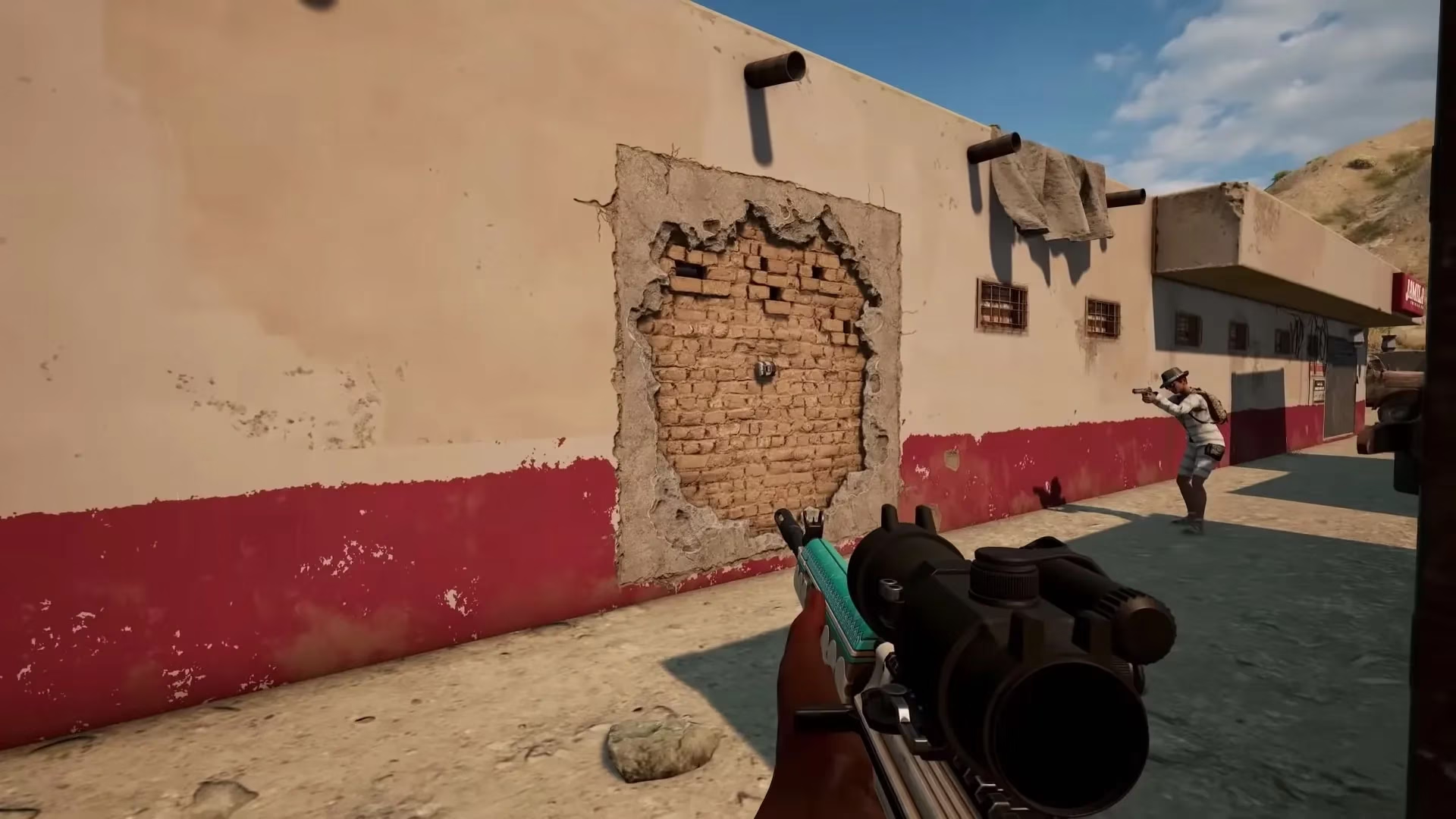
🚨 The Black Zone Changes Every Rotation
When the siren starts, I stop looting and check the map for the purple highlight. The Black Zone is not a normal red zone; it can level buildings in an instant. I have watched squads lose their cover, their loot, and their confidence because they refused to move. My rule is simple: if I am inside a destructible building and I hear the siren, I leave immediately, even if I am one item away from a full kit. On a 2 x 2 km map, a fast rotation is usually safer than a stubborn hold. The Black Zone also creates opportunities. When a building is flattened, the cover changes, and I can use that chaos to reset a fight or slip into a new angle.
💣 Sticky Bombs and the Underground Layer
The Sticky Bomb is one of my favorite Karakin tools because it changes the map itself. I use it to breach destructible floors and reach the tunnels below, but I also respect the noise. Blowing open an entrance draws attention, and on Karakin attention travels fast. Not every compound has a destructible floor, so I do not waste time forcing every building. When I find one, I clear the tunnel carefully, listen for footsteps, and avoid long underwater swims unless I have no other choice. Swimming makes me vulnerable, and the claustrophobic tunnels can become a trap if another squad controls both ends. Still, the tunnels offer diverse loot, and I have found some of my best Karakin weapons in hidden caches below the surface.
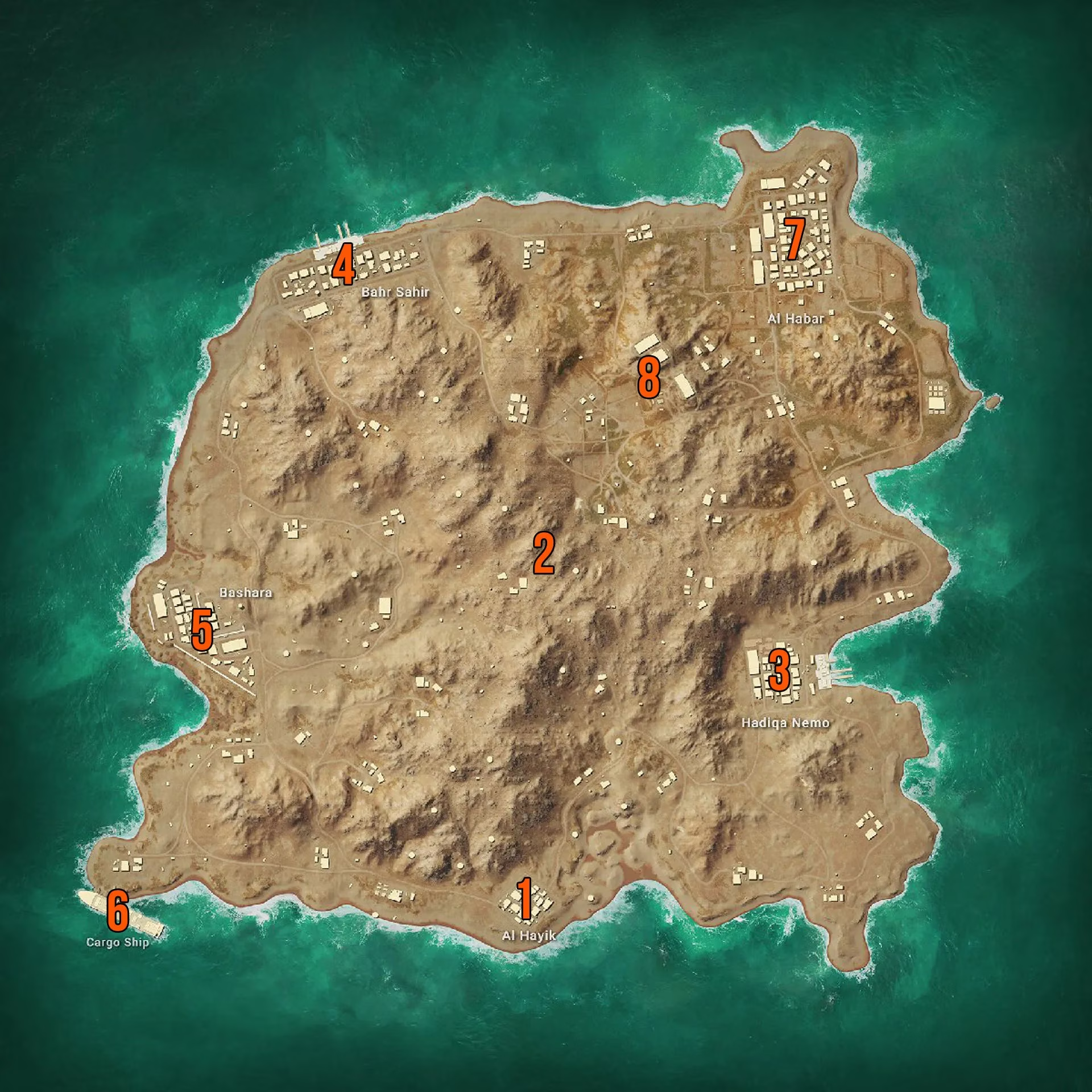
🗺️ Where I Land and Why
| Location | Risk | My notes |
|---|---|---|
| Small huts and compounds | Variable | I clear these quickly, but the loot is random. A hut can give me a match-winning weapon or absolutely nothing. |
| Southern smallest named location | Low to medium | The residential buildings are small, so I can clear them fast. Footfall is usually lower unless the flight path is close. |
| Eastern port town | Medium to high | The shipping containers are as useful as buildings, and the piers can hide me if I land without a gun. |
| Bahr Sahir | Medium | Multiple entrances and exits let me sneak in and out. The warehouse near the Water Tower is a known hotspot. |
| Bashara | Medium to high | The verticality is both a blessing and a curse. Rooftop fights are dangerous, but alleyways help me lose pursuers. |
| Cargo Ship | High | The loot concentration is excellent, which makes it popular. If I am not first to arm myself, I hide in the sea. |
| Al Habar | Very high | The largest urban area offers plenty of gear, but tall buildings create tense indoor fights and exposed rooftops invite sniper fire. |
| Jamila Textiles | High | The factories are no longer a secret. If I survive the skirmish, I leave well-equipped and overlooking popular areas like Al Habar. |
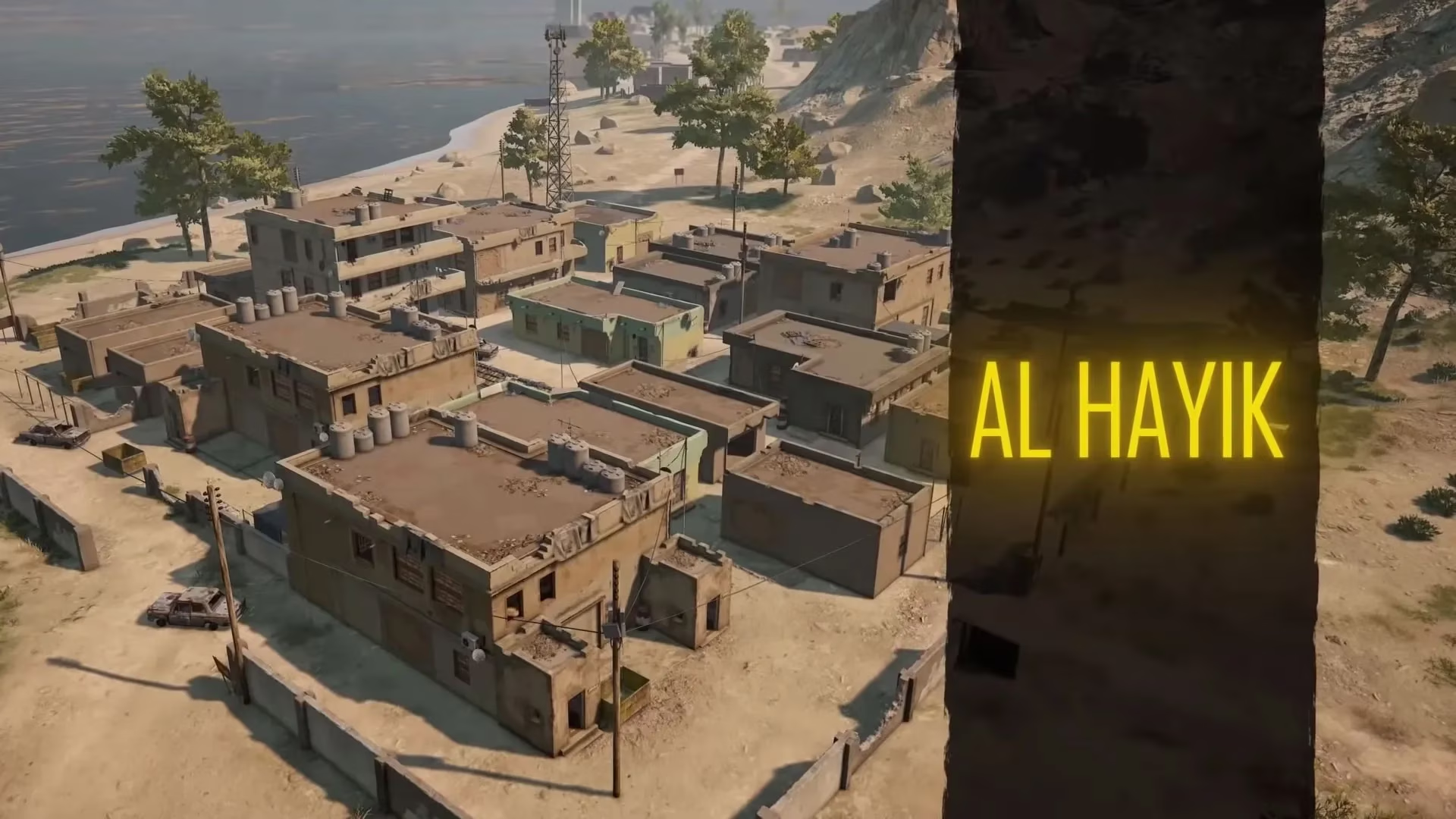
🏜️ My Route Through the Desert
I usually start at a smaller compound or a quiet edge of a named location because I want to control my first fight. Karakin is small enough that a bad landing can snowball, but it is also layered enough that a quiet start can still lead to great loot. If I find a Sticky Bomb early, I look for a destructible floor and check the tunnels. If I do not, I rotate toward a larger town and listen for the Black Zone siren.
Bahr Sahir is a reliable middle ground for me. The buildings have multiple entrances and exits, so I can loot without committing to one doorway. I avoid the warehouse near the Water Tower unless I am ready for a fight, because it has become a well-known early-game hotspot. Bashara is more chaotic. I like the alleyways for escaping pressure, but I never trust a rooftop for long. One high angle can beat another, and on Karakin the third squad is often already nearby.
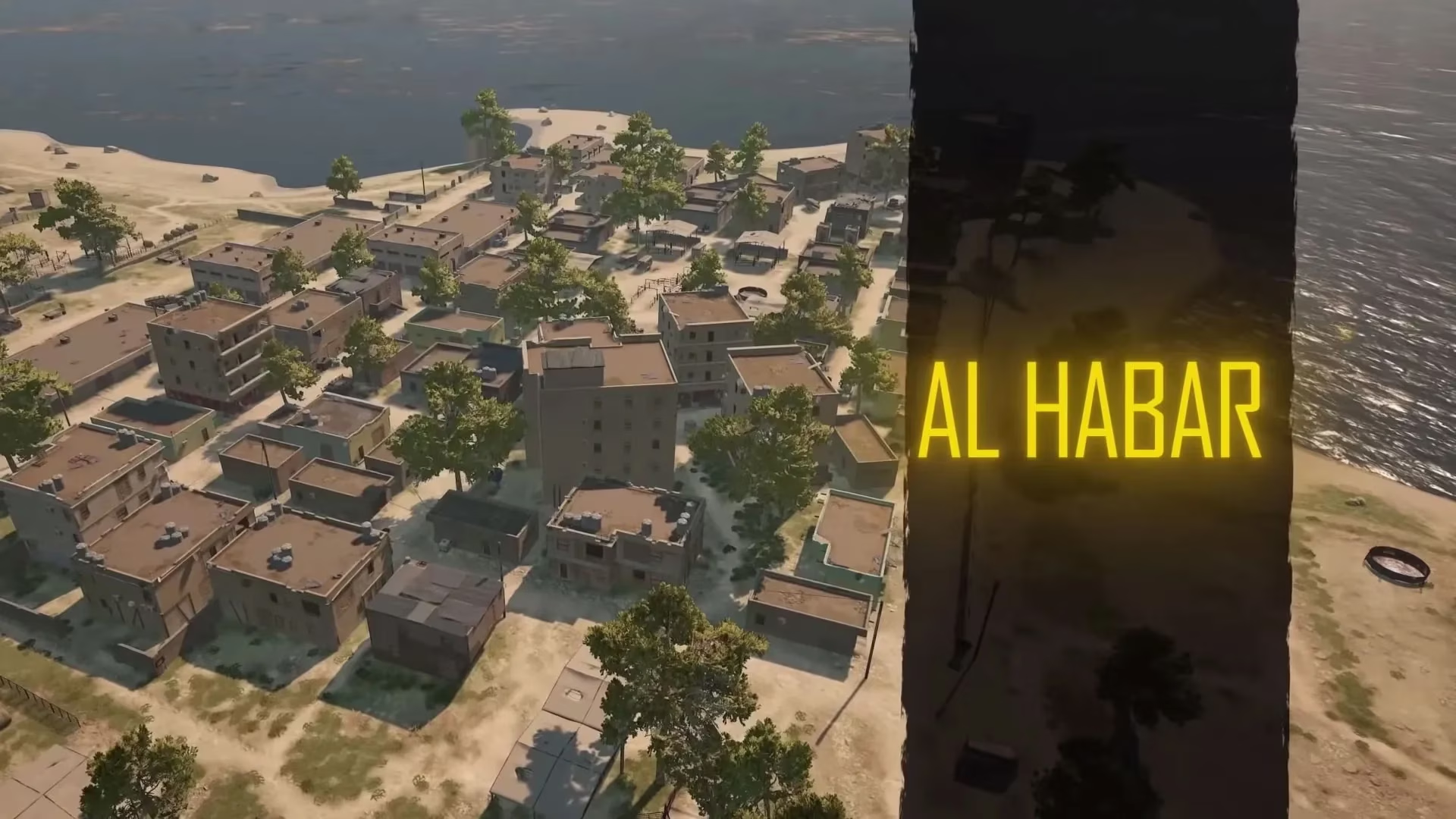
Cargo Ship is where I go when I feel confident. The shipping containers and land-based loot can fully stock me within minutes, but the concentration of items makes the area exceedingly popular. Al Habar is the opposite kind of risk: dense, tall, and full of indoor encounters. I only drop there when I want a fast, noisy fight. Jamila Textiles is my favorite late-rotation target if I survive the first skirmish. The factories are not specifically named on the map, but players have caught on, so I expect resistance. If I win there, I usually have the gear and the elevation to pressure Al Habar.
🎯 Final Circle Thinking
In 2026, Karakin still rewards players who treat it as a layered map rather than a tiny deathmatch arena. I keep my rotations short, I respect the Black Zone, and I use Sticky Bombs to open new paths instead of forcing old ones. The map may be small, but the decisions are not. Every tunnel, rooftop, and destructible floor can become either my escape route or my grave. That is why I keep coming back: Karakin is compact, tense, and full of small choices that decide the whole match.