
The Rise and Fall of PUBG Mobile’s Mechafusion Nightmare
PUBG Mobile’s Mechafusion mode and alien motherships promised sci-fi action but delivered imbalance and frustration for players.
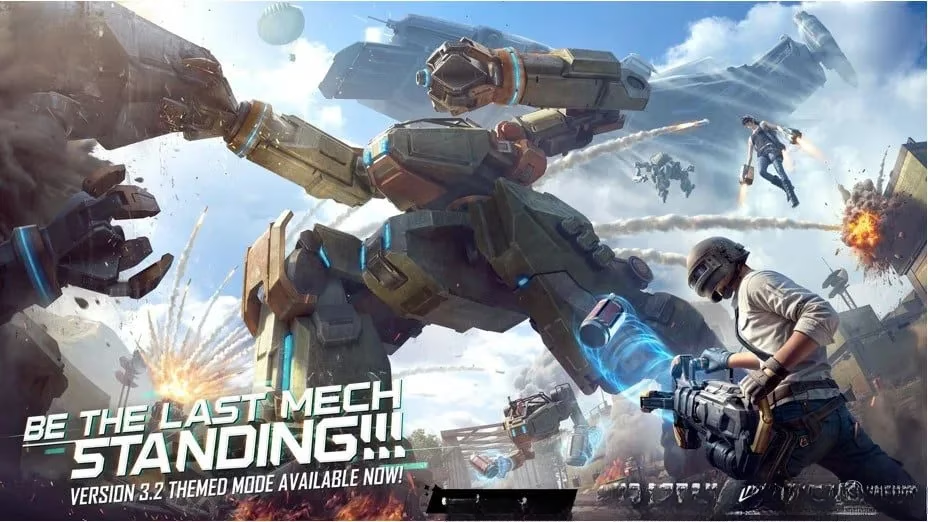
By 2026, the Mechafusion mode feels like a fever dream from the early days of PUBG Mobile’s experimental era. Back in mid-2024, when the 3.2 update dropped, players were promised giant robots, alien motherships, and a sci-fi twist on the battle royale they loved. What they got was a chaotic mess that sparked outrage, memes, and a mass exodus to classic maps. Even now, when veterans recount the worst theme modes in the game’s history, Mechafusion sits unchallenged at the very bottom.
The premise sounded electric. A massive alien ship would circle the map, inviting squads to fight aboard its decks. Surviving that hot drop would grant you a Levitron—a towering mecha loaded with rocket launchers and magnet guns. On paper, it was a power fantasy. On the ground, it became a bully simulator. Players who managed to secure these mechanical titans would leap across the terrain, stomping on unsuspecting enemies and plucking them into the sky with magnetic beams. Rocks and trees offered no cover; rockets found their targets with brutal ease. The lucky few who piloted the mechs had the time of their lives. Everyone else just suffered.
But the mechs were only the final nail in the coffin. The problems started the moment a player jumped out of the plane. While previous theme modes like Shadow Force and Skyhigh Spectacle had generous recall systems—two or three chances to bring back fallen teammates—Mechafusion gutted that safety net. You got one recall. And if you dared land on the mothership, that was your only life. The ship was a labyrinth of hiding spots, and campers thrived. Every corner held a crouching player with a shotgun, every crate a silent predator. Matches turned into a lottery: either you joined the camper brigade or you died trying to play aggressively. The frustration spread across social media like wildfire. Under every official post, comments screamed for the mode’s removal.
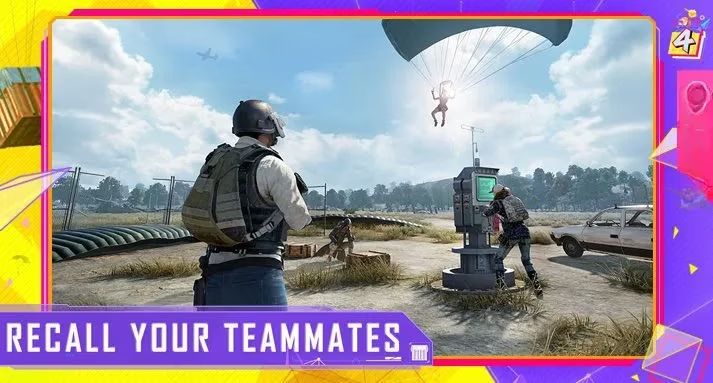
Fewer recalls meant more precious lives lost early. And with that, the final circles became ghost towns. Bots filled the initial zones, but real players were scarce. The F/D ratio—a sacred metric for the competitive crowd—tanked. Nobody wanted to see their stats plummet because a mecha decided to belly-flop onto their squad from three hundred meters away. So they left. Miramar and Livik queues swelled. Karakin and its fast-paced chaos became the refuge of those seeking actual gunfights.
Monotony sealed the deal. The map offered little beyond the mothership and four mecha-centers. Once those hot drops were cleared, the rest of the match was a slow crawl through empty fields. Compare that to Skyhigh Spectacle, which had floating islands, anti-gravity zones, and constant action. Mechafusion felt like a one-trick pony that stumbled after the first minute.
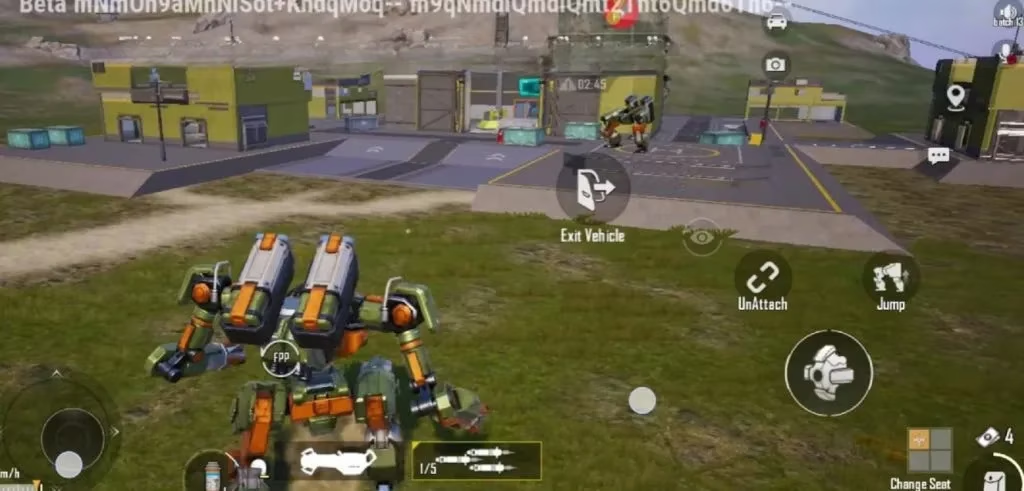
Technical glitches multiplied the misery. Servers wobbled, ping spiked, and parachutes inexplicably failed—splatting players into the terrain before a single bullet was fired. Updates promised fixes, but the mode never felt stable. By the time Krafton prepared to rotate it out, player morale was at an all-time low.
Then came the Atlantis mode, announced with much fanfare at the end of 2024. Underwater battles, treasure hunts, and vibrant new mechanics signaled a deliberate course correction. Krafton had learned something crucial: spectacle without balance, without safety nets, without respect for the player’s time, would never survive. Mechafusion died quietly, replaced by oceans and hope. Looking back from 2026, with the polished Ocean Odyssey and the subsequent Frozen Frontier modes now setting benchmarks, Mechafusion stands as a cautionary tale—a reminder that even the biggest ideas need to be kind to the players who have to live through them.